How Stories Shape a Child's Brain
Stories do so much more than entertain. They actively shape a child's brain by boosting cognitive development, building emotional intelligence, and strengthening neural pathways. Through imagination, memory, and critical thinking, narratives help children understand cause and effect, social cues, and complex emotions in a way nothing else can.
Stories aren't just a nice way to pass the time. Quietly, without any fuss, they shape how a child thinks, feels, understands other people, and even understands themselves. From the very first time they hear a tale, something starts clicking into place in their mind. And over time, stories become one of the main ways children learn how the world actually works.
The fascinating bit? They haven't got a clue it's even happening.
So, let's break down exactly what stories do to a child's brain to shape it, piece by piece.
Boosting Cognitive Growth
Brains at Work
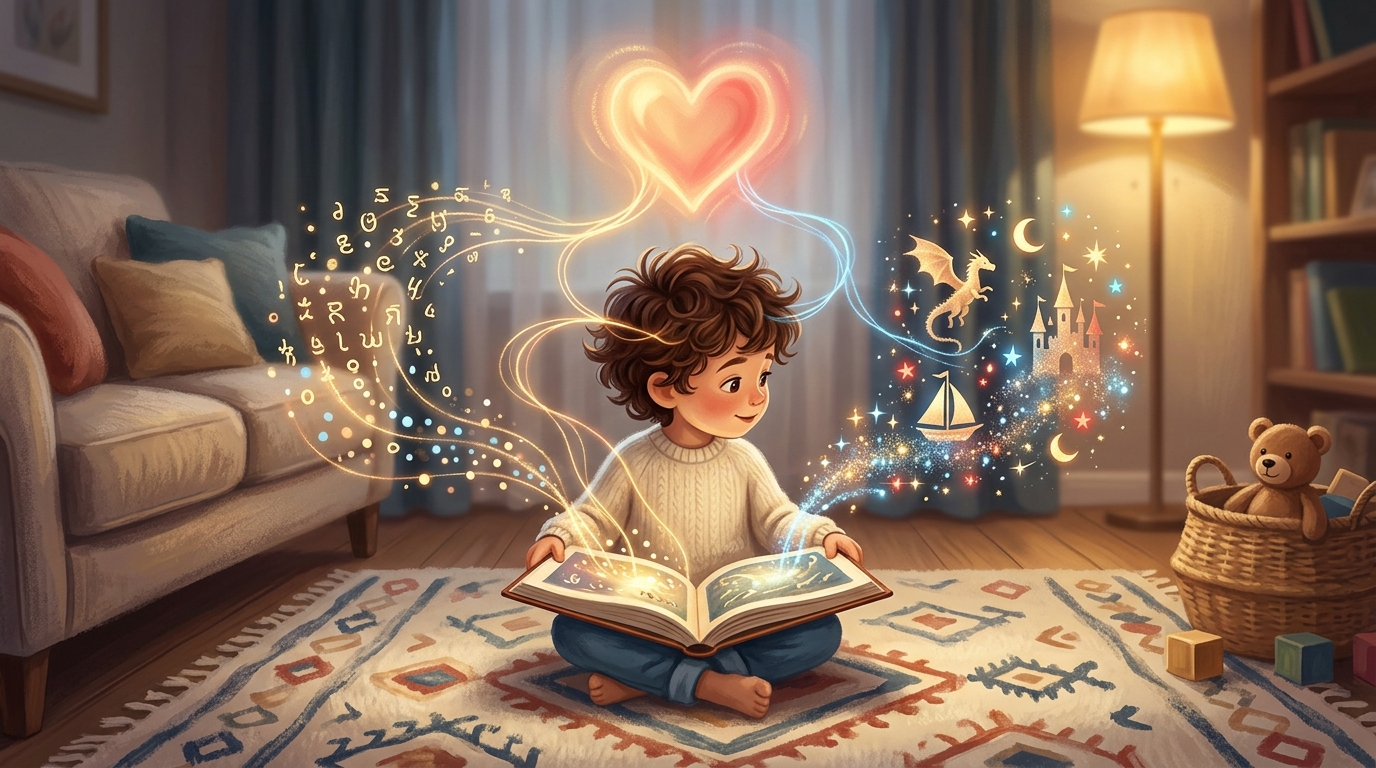
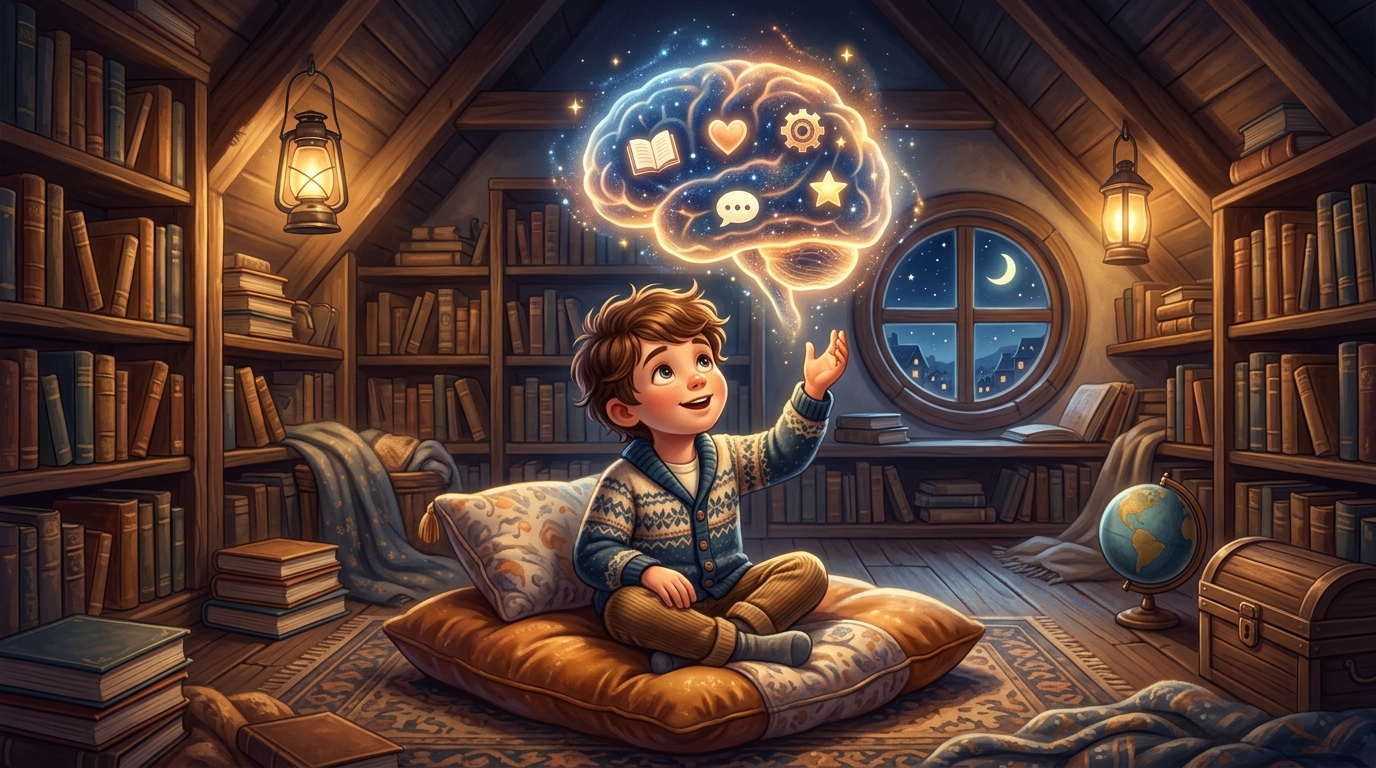
When children listen to stories, their brains are far from idle. A whole lot is going on behind the scenes—what experts call narrative brain activation. Different regions of the brain light up at the same time: the parts handling language, the bits responsible for imagination, and the areas connecting emotions to events all join the party together.
For young minds, especially those under five, child-focused storytelling helps the brain learn patterns. Repeated words, familiar characters, and predictable plots all help organise information. This is how children slowly grasp the way language flows, and how they start to understand that stories have beginnings, middles, and endings.
Thinking Ahead
For older children, stories do even more. They start to follow cause and effect. If a character makes a choice—good or bad—something happens as a result. This simple narrative structure trains the brain to think ahead and connect actions with outcomes.
Stories also stretch attention span. Sitting through a tale, even a short one, teaches the brain's neural pathways to focus. This ability to engage for longer periods directly supports learning in the classroom as well.
Making Emotions Understandable
Putting Names to Feelings
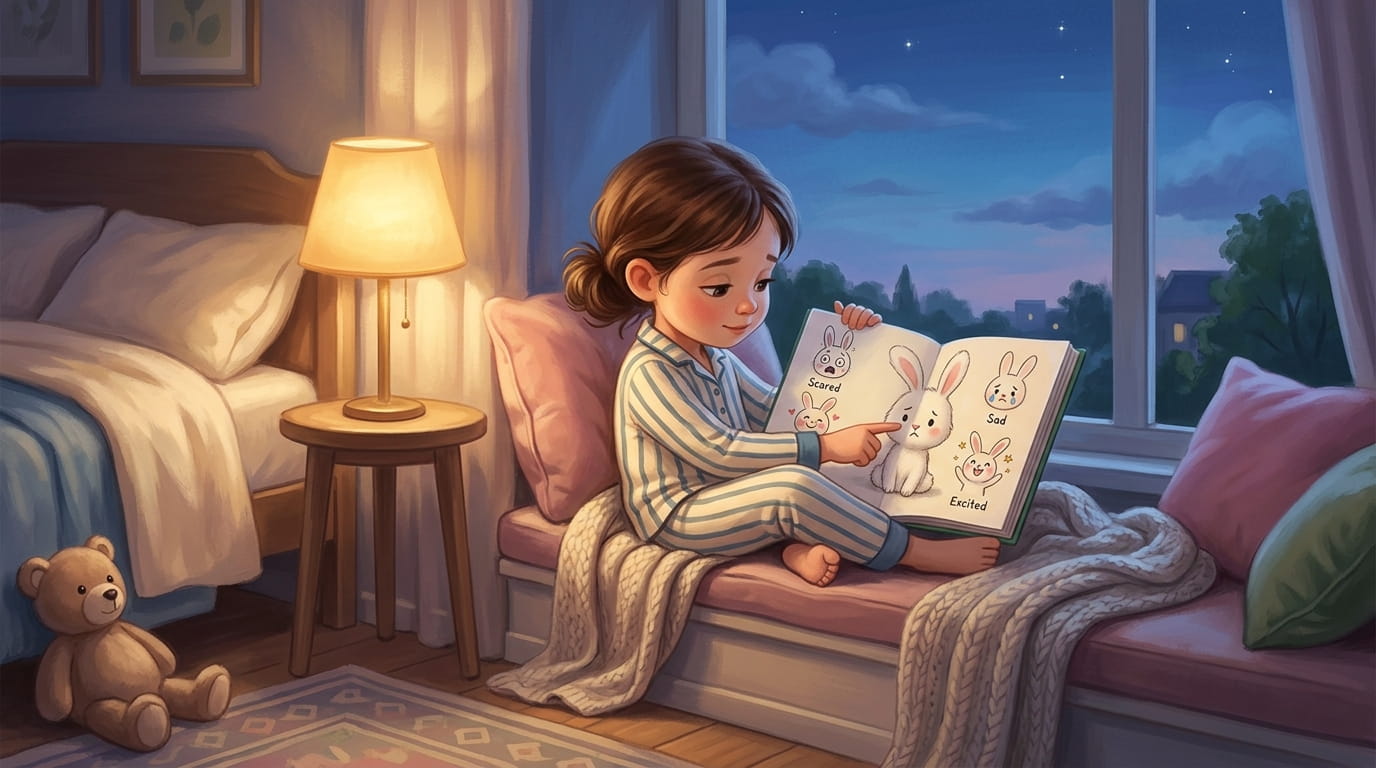
Children don't automatically understand emotions. They feel them, absolutely, but putting a name to those feelings takes time and practice. Stories help with this in the most natural way possible.
When a child hears about a character who is scared, happy, sad, or excited, they start to recognise those feelings. Over time, they begin to say things like, "He's scared, mummy." That's a huge moment. The brain starts to process emotions safely, within the comforting framework of a story.
Children learn that feelings are normal and that it's okay to be scared when something goes wrong.
Learning to Care
Stories are also brilliant for helping children practise empathy. When a child genuinely cares about a character, they start to think about how others might feel.
That understanding naturally carries over into real life, helping them relate better to siblings, friends, and classmates. It doesn't happen overnight, but repeated exposure to stories slowly shapes this kind of emotional learning and supports early brain formation in profound ways.
Defining Right and Wrong
Morals Without Lectures
Children aren't born knowing the difference between right and wrong. They learn it by watching, listening, and copying. And stories play a quiet but powerful role here.
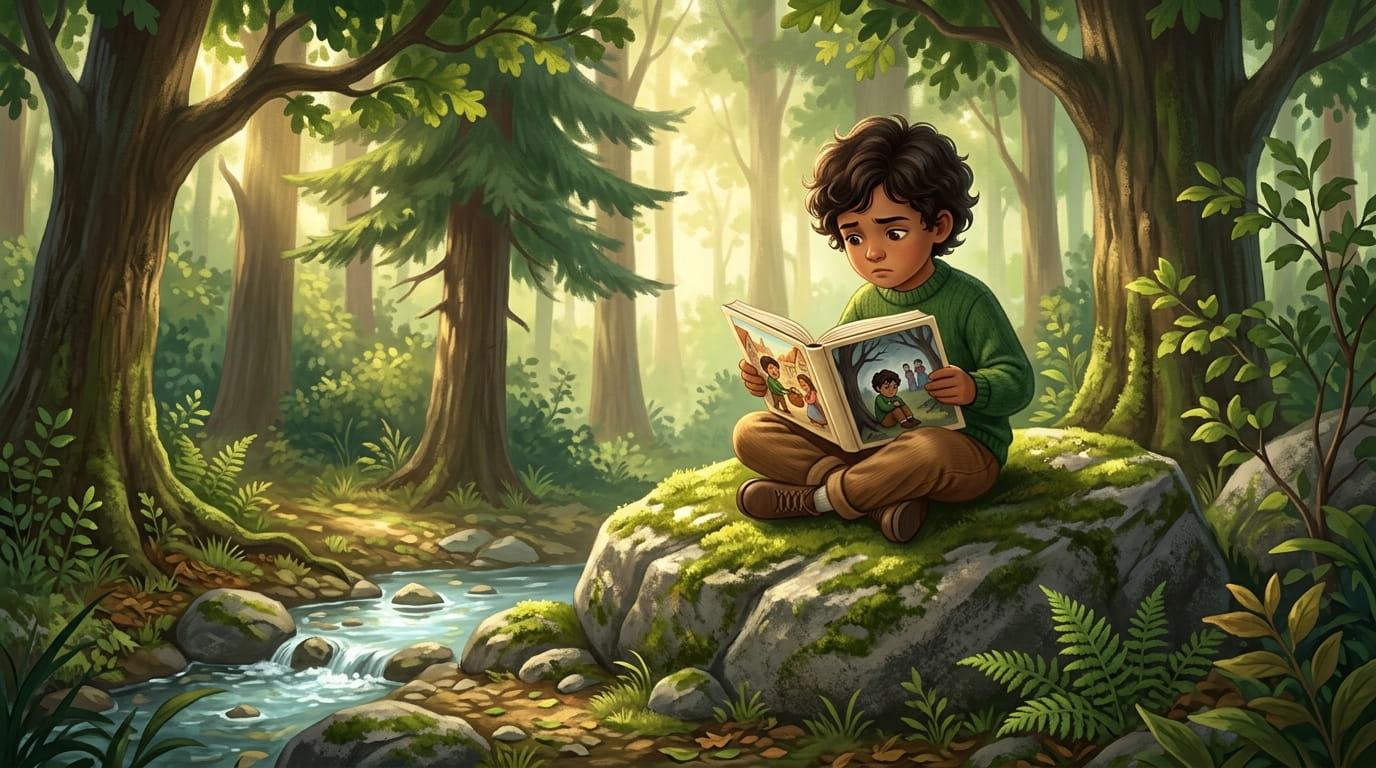
When children read or hear tales where characters face difficult choices, they learn moral lessons by seeing different perspectives—without anyone lecturing them. A character might act a certain way for a reason, and this teaches children that situations aren't always black and white.
Sorting the Patterns
Best of all, children don't feel judged when they're learning through a story. They simply observe and absorb. A story shows what happens when someone shares, when someone lies, when someone hurts another person, or when someone shows kindness.
Kind actions lead to happy endings; mean actions lead to problems. The brain starts sorting these patterns naturally through narrative understanding, helping children analyse behaviour without any pressure.
As children grow, they also learn from stories that making mistakes doesn't mean you're a bad person—and that you can always make things right with better choices later on. That idea sticks with them far longer than any rule ever would.
Strengthening Language and Communication
Building Blocks of Speech
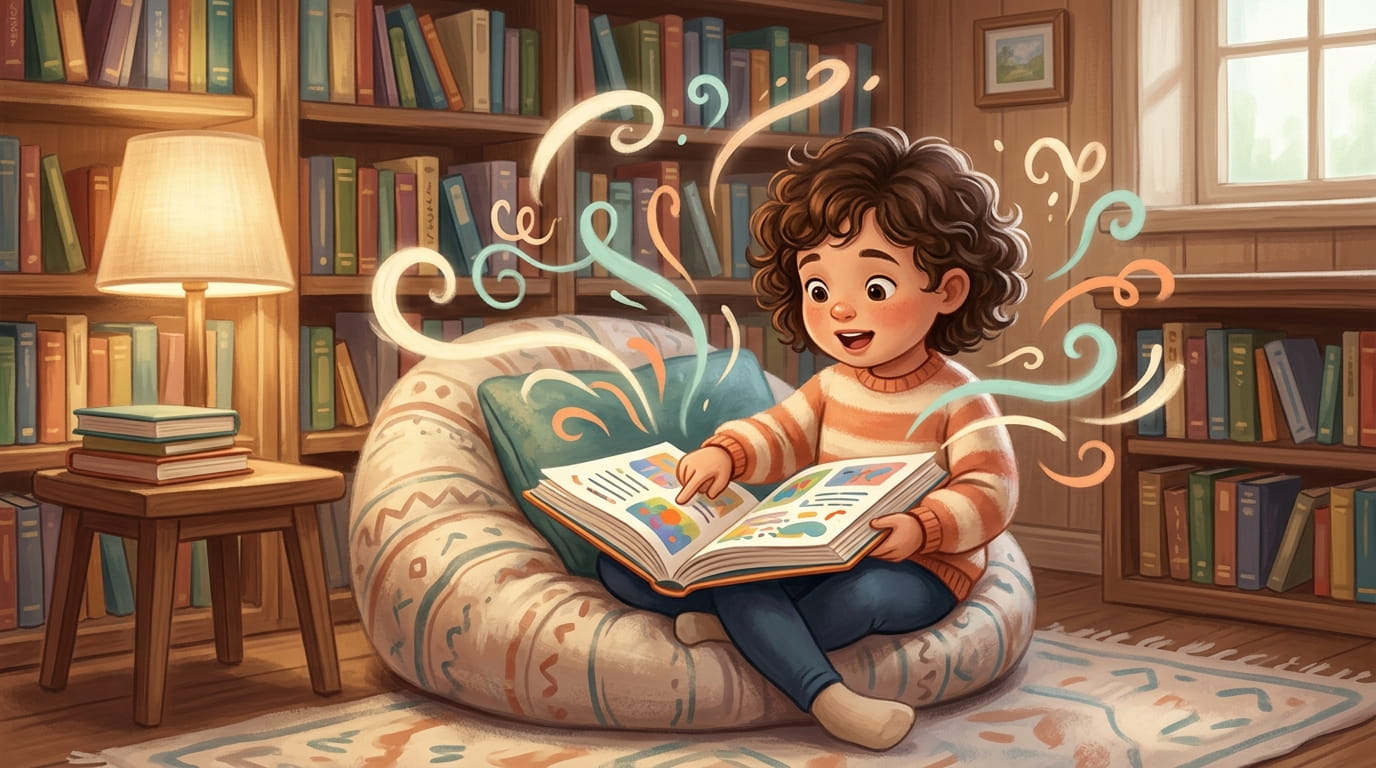
Language skills don't just come from talking. They come from listening, too. Stories expose children to new words, different sentence patterns, and fresh ways of expressing ideas.
Take toddlers, for example. They're constantly matching sounds to meaning. Even if a child can't speak yet, their brain is busy storing information. This is why parents are often surprised when their little one suddenly uses a word they've only ever heard in a story.
Words in Context
For preschool and school-age children, stories improve vocabulary naturally. They learn new words in context, not as isolated terms to memorise. They see how words are actually used in real situations.
Over time, this supports reading, writing, and speaking across different language development stages. Children who grow up with stories often express themselves more clearly because their brains are wired for language processing.
What's more, stories model the flow of conversation. Characters talk, respond, and react. Without any formal instruction, children absorb how human communication works.
Enhancing Imagination and Emotional Intelligence
Mental Pictures
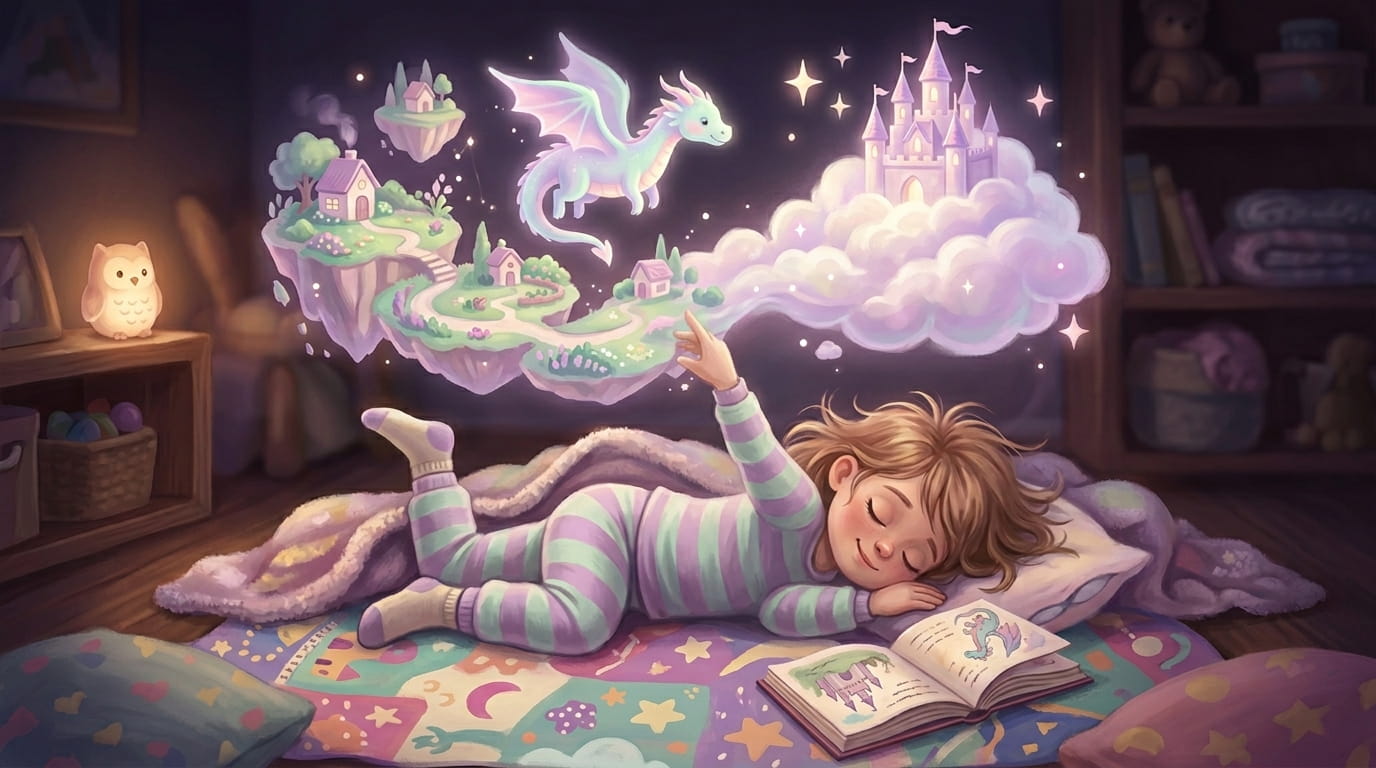
Imagination is a genuine brain skill—neuroscience confirms it. And stories train it constantly. When children hear a tale, their brains create pictures. They imagine places, people, and events that aren't physically in front of them. This strengthens mental flexibility and creativity.
In response, they start to pretend, act things out, and create their own adventures inspired by the story. This imaginative play is essential for emotional intelligence building.
Creative Problem-Solving
Later on, all this imagination develops into creative thinking and problem-solving skills. Children start to think of different ways things could happen and how they might navigate challenges. This ability becomes genuinely important in life when they face real-world problems, whether in their personal life or future career.
Improving Memory and Focus
Linking Information
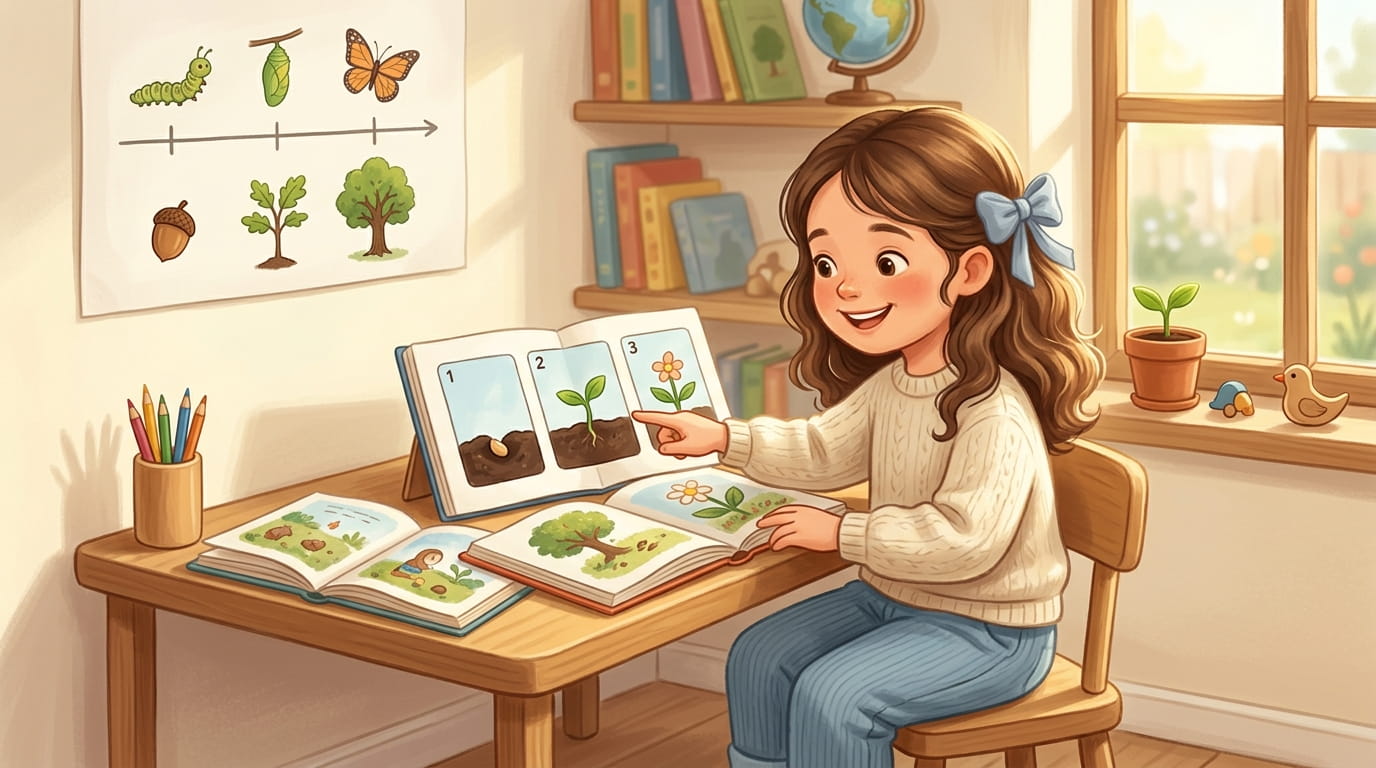
You might think memory is just about remembering facts. But it's so much more. It's about making cognitive neural connections—linking pieces of information together. And stories do this brilliantly.
When a child follows a narrative, they remember characters, adventures, what comes next, and how sequences unfold. This strengthens memory pathways in the brain, supporting long-term memory shaping. Repetition works its magic here, helping the brain lock things in place.
Total Engagement
Another wonderful thing about stories is how they improve focus. Children sit through a tale with genuine interest, their brains 100% engaged.
Nothing else distracts them. As they grow, this ability to focus becomes invaluable. Listening to instructions, following lessons in school, and completing tasks all rely on attention skills that stories quietly build from an early age.
Why Reading Together Matters Even More

Safety and Warmth
When a parent sits down and shares a story with their child, something special happens. The brain connects learning with safety and warmth. The child feels secure, and their brain becomes more open to absorbing new information. This kind of story exposure in a loving context is incredibly powerful.
Conversation and Connection
Reading together also gives children space to ask questions and share their thoughts. That's reading comprehension growth in action—strengthening understanding and communication skills. Even for children who can read on their own, shared reading still matters. It creates bonding moments, reinforces learning, and builds positive reading habits in the most relaxed, enjoyable way possible.
Final Thoughts
Stories have a way of slipping lessons into a child's brain without any force at all. That's why they've been around forever. Long before schools, apps, or screens, humans taught their children through stories. And even today, story-driven cognition still does a huge amount of heavy lifting inside a child's growing brain.
From emotional awareness to imagination, from language skills to moral understanding, stories quietly shape a child's brain in the most fundamental ways.
And here's the really exciting part. With Tiny Tales, you can create personalised storybooks that put your child right at the centre of the adventure. They become the hero—with their own name, their own face, their own story. That personal connection unlocks faster, more engaged brain development and creates memories that will last a lifetime.
Ready to see how stories can shape your child's world?
Create Their Personalised Adventure at Tiny Tales Today!
Written by
Tiny Tales Team
Content Creator & Storyteller
The Tiny Tales Team is a passionate group of storytellers, educators, and parents dedicated to creating magical personalised books for children. With years of experience in children's literature and early childhood development, we craft stories that spark imagination, build confidence, and create lasting memories. Our mission is to make every child the hero of their own adventure, one personalised tale at a time.
View all articles